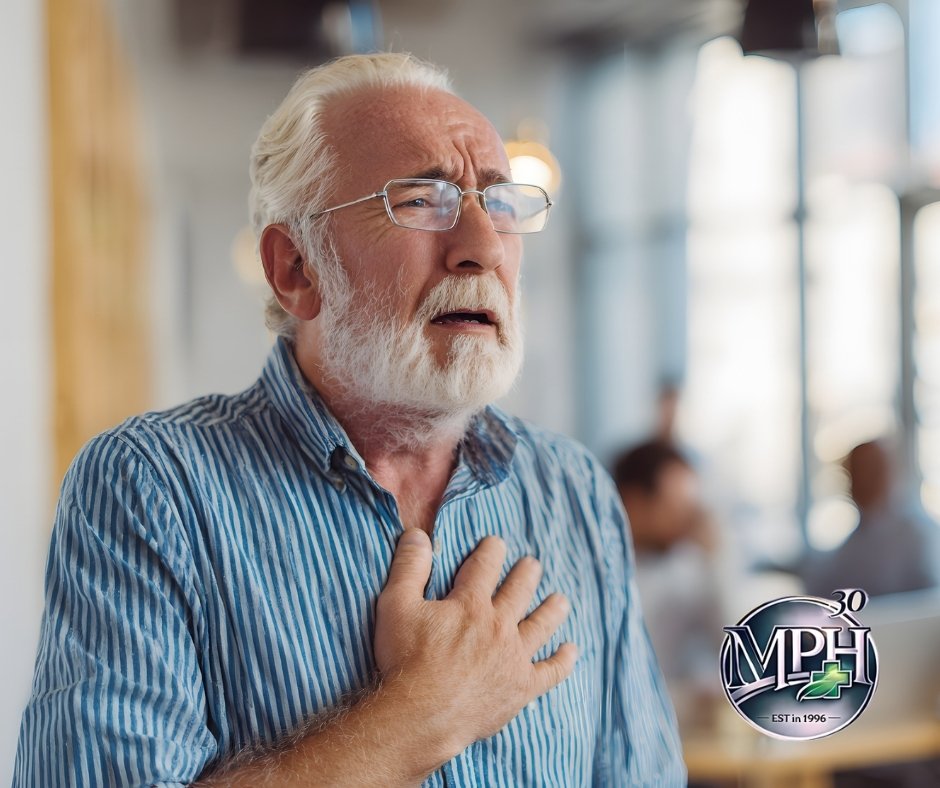
Is shortness of breath my heart or my lungs? This is one of the most common health questions people ask when they suddenly feel out of breath, tight-chested, unusually tired, or unable to walk as far as normal.
Shortness of breath, also called dyspnoea, can feel different from person to person. You may feel like you cannot get enough air, your chest feels heavy, your breathing becomes fast, or simple activities leave you unusually breathless.
Because both the heart and lungs help move oxygen through the body, problems in either system can cause breathlessness. Mayo Clinic notes that shortness of breath most often relates to heart or lung conditions, as both organs play a central role in oxygen movement and carbon dioxide removal.
This blog does not diagnose your symptoms. It helps you understand possible causes, warning signs, and why a professional medical assessment matters.

What Is Shortness of Breath?
Shortness of breath means you feel uncomfortable or aware of your breathing. It may happen suddenly, build up over days, or come and go during activity.
Some people only notice it when climbing stairs, walking uphill, carrying groceries, or lying flat at night. Others feel breathless even while sitting still.
Breathlessness can come from temporary causes, such as strenuous exercise, anxiety, a chest infection, or poor fitness. It can also point to more serious heart, lung, or blood-related conditions, especially when it persists, worsens, or appears with chest pain, dizziness, blue lips, fainting, or severe weakness.
Heart or Lungs?
Doctors look at the full picture before deciding whether shortness of breath may relate more to the heart, lungs, or another cause. They ask about your symptoms, medical history, risk factors, medication, smoking history, activity level, and when the breathlessness started.
Heart-related breathlessness often appears with symptoms such as chest pressure, swelling in the legs, tiredness, palpitations, dizziness, or breathlessness when lying flat. Lung-related breathlessness may appear with wheezing, coughing, phlegm, fever, chest infection symptoms, or tight airways.
However, symptoms can overlap. Some heart problems cause wheezing. Some lung conditions cause chest tightness. That is why you should not try to self-diagnose shortness of breath.
If symptoms persist or worry you, speak to a doctor. Midvaal Private Hospital offers access to a range of medical disciplines, including cardiology and cardiothoracic-related care and internal medicine support.
Common Heart-Related Causes
Heart Failure
Heart failure does not mean the heart has stopped. It means the heart does not pump blood as effectively as the body needs.
This can cause fluid build-up, tiredness, swelling in the ankles or legs, and shortness of breath during activity or when lying flat. The American Heart Association lists shortness of breath, fatigue, and fluid retention as common heart failure warning signs, and recommends medical evaluation when symptoms appear.
Coronary Artery Disease
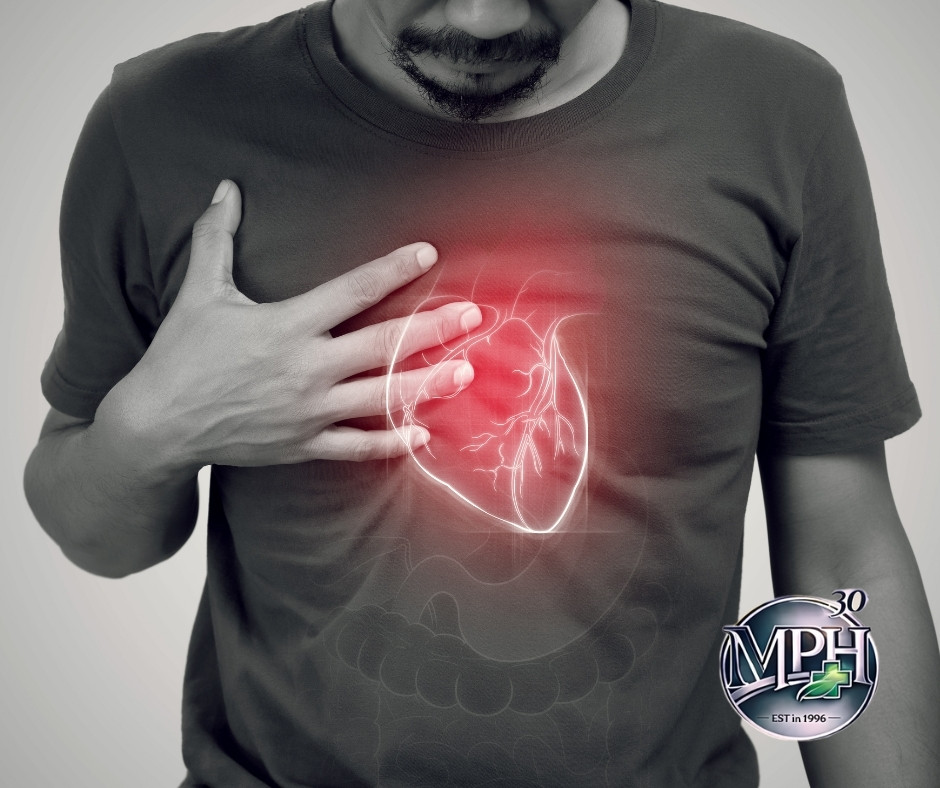
Coronary artery disease happens when narrowed arteries reduce blood flow to the heart muscle. Some people feel chest pain or pressure, while others mainly feel short of breath, tired, sweaty, nauseous, or light-headed.
Shortness of breath can also appear with heart attack symptoms, sometimes with or without chest discomfort. The American Heart Association includes shortness of breath among possible heart attack warning signs.
Arrhythmia
An arrhythmia means the heart rhythm beats too fast, too slow, or irregularly. You may feel palpitations, a racing heartbeat, dizziness, tiredness, chest discomfort, or breathlessness.
If palpitations come with shortness of breath, chest pain, faintness, or fainting, seek medical help urgently.
Valve Problems
Heart valves help blood move in the correct direction through the heart. If a valve becomes narrowed or leaky, the heart may work harder to pump blood.
This can cause breathlessness, fatigue, swelling, chest discomfort, dizziness, or reduced exercise tolerance. A doctor may recommend further cardiac tests when symptoms suggest a valve concern.
For patients with ongoing breathlessness, a thorough assessment from experienced cardiology specialists can help identify whether the heart may be contributing to symptoms and guide the next step in care.

Common Lung-Related Causes
Asthma
Asthma can narrow and inflame the airways. It often causes wheezing, coughing, chest tightness, and shortness of breath.
Symptoms may flare after exercise, cold air, allergies, infections, smoke, or strong smells. Asthma needs proper assessment and management, especially when symptoms change or become more frequent.
COPD
Chronic obstructive pulmonary disease, or COPD, often develops after long-term exposure to cigarette smoke, dust, fumes, or other irritants. It can cause chronic cough, phlegm, wheezing, tiredness, and breathlessness that slowly worsens over time.
People with COPD may feel more short of breath during infections or flare-ups. They should seek care when breathing changes from their usual pattern.
Pneumonia
Pneumonia is an infection in the lungs. It may cause fever, chills, cough, chest pain, phlegm, tiredness, and shortness of breath.
Older adults, people with chronic illness, and people with weakened immune systems may become very unwell quickly. Medical assessment matters if symptoms are severe, persistent, or worsening.
Pulmonary Embolism
A pulmonary embolism happens when a blood clot blocks blood flow in the lungs. It can cause sudden shortness of breath, chest pain, fast heartbeat, coughing blood, dizziness, or collapse.
This can become a medical emergency. Seek urgent care if breathlessness starts suddenly or appears with chest pain, fainting, or severe weakness.
For lung-related concerns, Midvaal Private Hospital’s Internal Medicine discipline can support assessment of respiratory symptoms and other medical conditions that may contribute to breathlessness.
How Doctors Tell the Difference
A doctor usually starts with a detailed history and physical examination. They may listen to your chest, check your oxygen levels, review your pulse and blood pressure, and ask when the shortness of breath happens.
Depending on your symptoms, your doctor may recommend:
- ECG
An ECG records the electrical activity of your heart. It can help doctors look for rhythm problems, signs of strain, or possible heart-related changes.
- Chest X-Ray
A chest X-ray can help assess the lungs, heart size, fluid build-up, infection, and other chest-related concerns. Midvaal Private Hospital has access to diagnostic imaging services that may assist with investigations such as chest X-rays and scans.
- Spirometry
Spirometry measures how much air you can breathe out and how quickly you can exhale. Doctors often use it when they suspect asthma, COPD, or other airway conditions.
- Blood Tests
Blood tests may help doctors check for infection, anaemia, inflammation, heart strain, clotting concerns, or other medical issues. Your doctor will choose tests based on your symptoms and examination.
Clinical guidelines for persistent breathlessness commonly include a structured history and examination, with investigations such as ECG, chest X-ray, spirometry, and blood tests depending on the case.
Red Flags: When to Seek Emergency Care
Do not wait if shortness of breath feels sudden, severe, or unusual for you.
Seek immediate emergency care if you have:
Sudden Severe Breathlessness
A sudden struggle to breathe needs urgent assessment, especially if it starts at rest or worsens quickly.
Chest Pain or Pressure
Chest pain, pressure, squeezing, or discomfort with breathlessness may signal a heart-related emergency. It can also spread to the arm, jaw, back, neck, or stomach.
Blue Lips or Face
Blue lips, blue fingertips, or a grey-looking face can mean the body is not getting enough oxygen.
Fainting or Feeling Like You May Pass Out
Fainting, confusion, severe dizziness, or collapse with breathlessness needs emergency medical care.
Coughing Blood
Coughing blood with shortness of breath or chest pain needs urgent medical attention.
If you are unsure, rather seek help. Severe or sudden breathlessness should never be ignored.
When Should You See a Specialist?
Book a medical assessment if you notice breathlessness that:
- Persists for more than a few days
- Gets worse over time
- Happens with mild activity
- Wakes you at night
- Appears when lying flat
- Comes with swelling in the legs or ankles
- Comes with palpitations, chest discomfort, wheezing, fever, or ongoing cough
- Limits your normal daily routine
A GP or emergency doctor may refer you to a cardiologist, physician, pulmonology-related specialist, or another healthcare provider depending on the suspected cause.
You can use Midvaal Private Hospital’s find a specialist page to search for the appropriate healthcare professional. You can also view the hospital’s facilities and services to better understand the support available on-site.
For related health articles and patient education topics, visit the Midvaal Private Hospital related reading section.
Do Not Guess — Get Assessed
Shortness of breath can feel frightening, but a clear assessment can help identify the possible cause and guide the correct next step. The cause may relate to the heart, lungs, infection, anaemia, fitness level, medication, anxiety, or another health condition.
Do not ignore persistent, recurring, or severe symptoms. Early medical attention can help doctors manage problems before they become more serious.
If you need help with shortness of breath, chest discomfort, or ongoing respiratory symptoms, contact Midvaal Private Hospital to book a consultation or ask for guidance on the next step. Visit our contact page to get in touch.



FAQ SECTION
1. Why am I short of breath walking up stairs?
Shortness of breath when walking up stairs may relate to fitness, anaemia, asthma, COPD, heart strain, or another medical issue. If this symptom is new, worsening, or limiting your normal routine, book a medical assessment.
2. Is shortness of breath a sign of a heart attack?
Shortness of breath can be a warning sign of a heart attack, especially when it appears with chest pain, pressure, sweating, nausea, dizziness, or pain in the arm, jaw, back, or neck. Seek emergency care if these symptoms appear suddenly or feel severe.
3. How do I know if shortness of breath is from my lungs?
Lung-related breathlessness may come with wheezing, coughing, phlegm, chest infection symptoms, fever, or tight airways. Only a doctor can confirm the cause through examination and tests such as a chest X-ray, spirometry, or blood tests.
4. Can anxiety cause shortness of breath?
Yes, anxiety can make breathing feel fast, shallow, or difficult. However, you should not assume anxiety is the cause, especially if symptoms are new, severe, persistent, or linked to chest pain, fainting, blue lips, or worsening tiredness.
5. When should I go to hospital for shortness of breath?
Go for emergency care if shortness of breath is sudden, severe, or comes with chest pain, blue lips, fainting, confusion, coughing blood, or severe weakness. Persistent or worsening breathlessness also needs professional medical assessment.